Search behavior is changing fast, and senior living communities that don’t adapt risk becoming harder to find.
Traditional searches built around broad keywords and location alone are giving way to something more nuanced. Today’s seniors and their families are asking detailed, conversational questions that reflect real priorities: lifestyle, convenience, wellness, healthcare access, nearby amenities and what daily life actually looks like. Google’s new Ask Maps feature is the latest signal that search is moving in this direction.
Rather than simply returning places on a map, Ask Maps helps people discover destinations through natural language questions and long-tail searches—surfacing results based on context, preferences and intent. And because Google’s products increasingly work together across Search, Maps and AI-powered experiences, the way your community appears in one place can influence visibility elsewhere.
For senior living operators, this shift creates both urgency and opportunity.
Communities that clearly communicate lifestyle benefits across their websites and Google Business Profiles—from wellness offerings and dining to walkability, transportation, healthcare access, pet-friendly policies and local experiences—will be better positioned to appear in these evolving discovery moments.
The takeaway: your digital presence can no longer function as a directory listing. It needs to tell a complete, compelling lifestyle story that helps Google understand not just where your community is, but why someone would want to live there.
Highlight Your Neighborhood Amenities for Ask Maps Discovery
Google Maps is no longer just helping people get from point A to point B; it’s becoming a discovery engine.
Over the last several years, Google has steadily expanded Maps beyond navigation, adding features like Immersive View, personalized recommendations, AI-generated insights and deeper integration across Search. Ask Maps is the latest step in that evolution, bringing Gemini AI directly into the Maps experience and changing how people research places and make decisions.
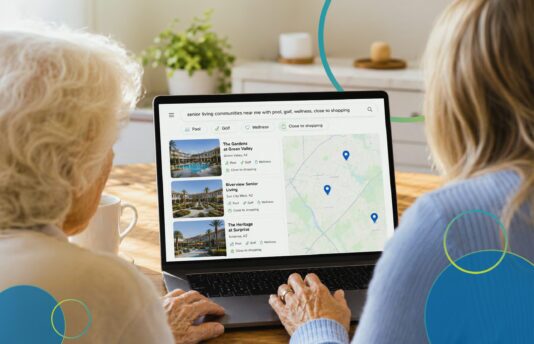
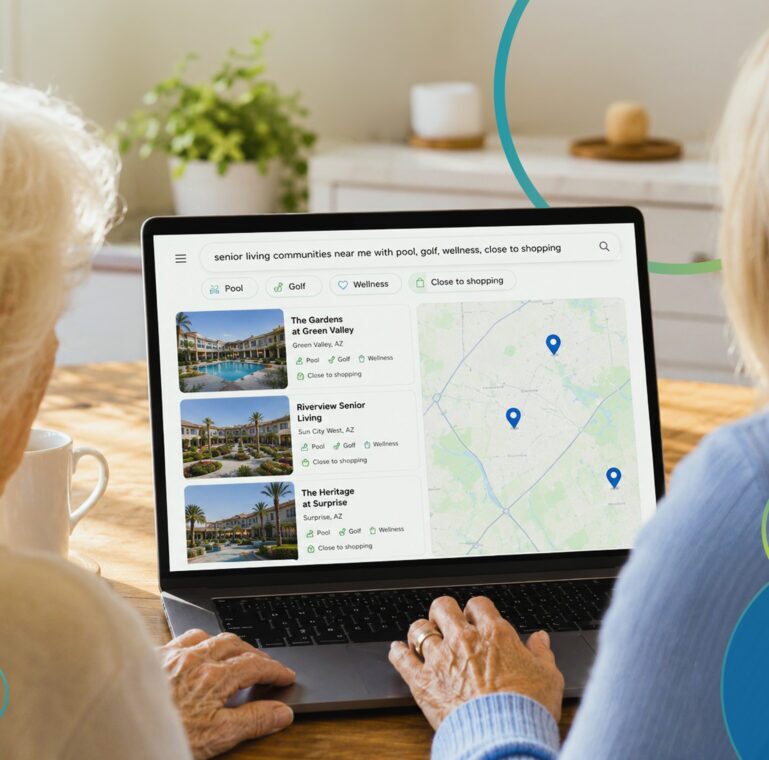
Instead of typing short search phrases and scrolling through listings, users can now ask detailed, conversational questions and receive personalized recommendations alongside a custom map experience.
For senior living, those searches may sound more like:
- “My mom wants independent living somewhere she can walk every day. What communities should we look at?”
- “Where could my parents live that feels active and is close to restaurants and shopping?”
- “Are there senior living communities nearby that allow dogs and have outdoor spaces?”
Ask Maps responds with tailored recommendations and enhanced visual context through Immersive View, allowing users to preview neighborhoods before they ever visit. Prospects can explore buildings, surrounding streets, parks, nearby destinations and overall walkability to better understand what daily life might actually feel like.
That shift matters for senior living communities.
Prospective residents and families are evaluating more than floor plans and pricing—they’re assessing lifestyle, convenience and connection to the surrounding area. Communities that clearly showcase neighborhood amenities, wellness offerings, transportation access, dining, outdoor spaces and local attractions across their websites and digital profiles will be better positioned to appear in these AI-powered discovery experiences.
People will still find your core information. But increasingly, Google will reward communities that help answer a bigger question: “Can I picture myself living here?”
Ask Maps is currently available on mobile, with Google expanding the experience across desktop to support more in-depth research from home.
How to Optimize for Natural Language Searches
With search becoming more conversational, senior living communities need to rethink how they create online content. The strategies used for voice search now matter just as much for AI-powered map searches and tools like Google’s Ask Maps. You can find more details in our article about voice search optimization for senior living websites.
Communities now need to focus on longer, conversational phrases rather than short keywords like “assisted living Boston.” Website content, such as FAQs, blog posts and service pages that answer real questions, often appears in featured snippets, AI-generated summaries and conversational search results.
Instead of focusing on single keywords, focus on broader topics that users are now searching for. Rather than only optimizing for “senior living,” create content that shows what life is like in your community. Talk about things that match how people search today, such as:
- nearby walking trails
- restaurants
- theaters
- parks
- shopping
- medical centers
- transportation
- cultural spots
Communities should use everyday language that seniors and their adult children use,
such as “places for active retirees,” “nearby activities for grandkids” or “pet-friendly apartments near downtown.”
Having a thorough FAQ section is helpful. Make sure to include topics like accessibility, transportation, entertainment, care options and pet policies to help both search engines and future residents get a clear idea of what your community offers.
Where Ask Maps Gets Its Information—and How Can Your Community Stand Out?
Like other AI-powered search experiences, Ask Maps pulls information from a range of online sources—including Google Business Profiles, websites, reviews, photos and other publicly available content—to generate personalized, conversational recommendations.
For senior living communities, understanding these inputs is key. Visibility in AI-driven search isn’t just about being listed—it’s about having complete, consistent and detailed information across your digital presence so Google can accurately understand and surface your community.
Google Business Profiles
Your Google Business Profile (GBP) is one of the most important sources of information for Ask Maps. Make sure your profile is complete, accurate and updated often. Include business categories, hours, services, amenities, descriptions and high-quality photos. For more tips, see our article on improving your senior living community’s Google Business Profile.
Ask Maps also considers customer reviews and photos to understand a location’s atmosphere and lifestyle better. Reviews that mention dining, wellness options, walkability, nearby attractions or friendly staff can help make your community more relevant in conversational searches.
Google Posts can also help increase your visibility. Share updates about nearby parks, restaurants, shopping, cultural attractions, walking trails and activities that support an active senior lifestyle.
Business Websites
Ask Maps checks official business websites to confirm details and learn more about a community’s services, amenities and local environment. Look at the search queries that bring people to your site and find ways to answer more natural, question-based searches. Using an FAQ format can be very effective because it helps AI systems find direct answers and relevant content more easily.
It also helps to mention nearby landmarks, healthcare systems, parks, entertainment venues and transportation options in your website content. Building partnerships, sponsoring events and getting involved locally can make your digital presence and neighborhood relevance even stronger.
Trusted Third-Party Sources
Google also gathers information from trusted sources like local directories, review websites and social media profiles. Keep your social channels active and check your listings on sites like A Place for Mom and other senior living directories to make sure your information is accurate and consistent.
Personalization Data
To tailor its recommendations, Ask Maps also takes into account users’ past activity in Google Maps, including:
- previous searches
- saved places
- preferences
Senior communities can’t control this directly, but by maintaining strong brand awareness, positive online reviews and steady digital engagement, they can help drive activity that will raise visibility and recognition in time.
Adapt to AI-Driven Local Search Now to Succeed in the Future
Ask Maps is changing how people use local search. Instead of just using keywords and map pins, users can now ask detailed, lifestyle-focused questions and get recommendations that fit their needs.
Ask Maps does not currently offer advertising, but this could change as AI search grows. Right now, communities have a great chance to improve their visibility before competition increases.
To stay ahead, senior living communities should update their SEO and digital marketing strategies to focus on real, conversational content that matches how people actually search. They also need to keep their profiles complete, accurate and up to date on Google, their websites, social media and other directories.
Consistent engagement is equally important. Sharing new content, updating photos, responding to reviews, staying active on social media and highlighting what sets your community apart help build trust and make it more relevant to both people and AI.
Communities that succeed with AI-driven local search will go beyond sharing facts. They will clearly show the lifestyle, experiences, convenience and sense of belonging that today’s seniors and their families seek when searching for senior living opportunities.
EVR Advertising specializes in senior living marketing. Contact us to take the first step toward increasing your community’s visibility in today’s evolving digital landscape.

Too busy to do the work yourself?
Call or email Mackenzie today to get started.
Mackenzie Fraser | Senior Vice President
(603) 647-8606 x209
MackenzieF@evradvertising.com