
Adult children are often the driving force behind senior living decisions, navigating an emotional and complex journey on behalf of their parents. Along the way, every digital interaction—your website, ads, emails and social media—quietly shapes how they perceive your community. And with 81% of people researching online before making major life decisions, those moments carry real weight.
The challenge isn’t just creating something visually appealing, it’s building a digital experience that communicates empathy, trust and clarity at every turn. Because when adult children feel seen and understood, they’re far more likely to take the next step.
What Are Digital Touchpoints?
Digital touchpoints are the moments when someone interacts with your brand online. Together, they shape perception and ultimately trust.
Common digital touchpoints include:
- Website clicks
- Landing pages views
- Social media engagements
- Email marketing opens
- Online reviews
- Chat interactions
- Video and virtual views
When these moments feel clear, helpful and human, it builds trust. When they do not, interest fades just as quickly.
The Digital Touchpoints That Matter Most
Not every interaction carries the same weight. Some moments do more of the heavy lifting and deserve more intention.
Here are six touchpoints that shape perception most and how to approach them:
1. Your Website: Where Decisions Take Shape
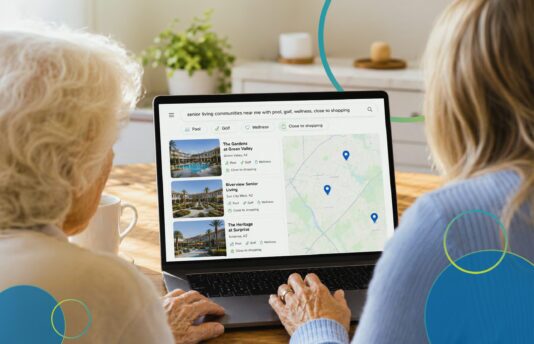
For most families, your website is the first meaningful introduction to your community, and with 75% of users judging a company’s credibility based on its website design, first impressions make all the difference.
A few key tactics to make that introduction count include:
- Fast load times Fast load times
- A clean, mobile-friendly and mobile-first design
- Using real photography of residents that reflects daily life
- Including messaging that addresses safety, support and quality of life
- Adding a chatbot or conversational tool, like the AI web tools and conversational experiences offered by Further. Human-powered conversations are always best, but these tools can answer questions quickly, guide visitors to the right information and help capture leads after hours
- Easy UX, access to care levels, pricing and contact information
For example: A daughter of a prospect lands on your homepage late at night after a difficult conversation with her mother. She is not browsing—and trying to make the right decision for someone she loves. In that moment, she is asking quiet questions: Will they be safe? Will they be happy? Is this the right place? Am I doing the right thing?
Your website should not make her work for those answers. It should gently give them to her with clarity.
2. Landing Pages: Turning Interest into Action
Once someone clicks through, the landing page experience needs to stay focused.
- Align with visitor intent
- Offer a clear next step, like scheduling a tour or downloading a guide
- Ideally, the content changes based on previous web visits
For example: If someone clicks on memory care content, they should land on a page that focuses on memory care, not one that tries to explain everything about the community at once. Offer the most impactful information first, without overwhelming them.
3. Email Marketing: Staying Present Without Pressure
As families move through the customer journey, email can become a steady, supportive presence.
- Follow up at the right moments in the customer journey with clear Calls to Action (CTAs)
- Provide helpful resources, not just promotions
- Maintain an empathetic, informed tone
- Send from the sales team
For example: A message titled “How to start the conversation with Mom” is far more valuable than another “Schedule a tour” reminder.
4. Reviews and Reputation: Let Others Speak
When making a big decision about a community, families will look for validation beyond your messaging. They will search for outside perspectives in places like:
- Google Business Profile reviews
- Facebook and social media reviews
- Awards and accreditations
For example: A Google review from a family member that mentions kindness, responsiveness or peace of mind in their own words often carries more weight than anything you can say yourself. Reviews that mention staff members by name are an even bigger bonus, making the experience feel more personal, specific and credible.
5. Video and Virtual Tours: Bringing Your Community to Life
When interest deepens, people want to see what life actually looks and feels like and who your residents are.
- Short, authentic glimpses of daily life, community spaces and the people who make up your community
- Authentic resident voices instead of scripted messaging
- Residences that feel lived in and welcoming
6. Pricing Transparency Tools: Building Confidence Before the Call
For both seniors and their families, understanding costs is a crucial step in the decision-making journey. Confusion about pricing can create hesitation, but clear, accessible tools can help prospects explore options confidently—before they even pick up the phone.
Strong digital touchpoints for pricing include:
- Downloadable guides and comparison charts outlining care levels, amenities and associated costs
- Interactive cost calculators that let visitors model their unique situation
- MoneyGauge™ or financial planning tools showing what’s included versus optional
For example: A senior researching retirement living can see what fits their budget, while a daughter or son can compare options side by side. Accessible, accurate and easy-to-navigate pricing builds trust, reduces friction and encourages families and prospects alike to take the next step.
What Strong Digital Touchpoints Have in Common
Effective omnichannel marketing strategies—where every platform works together—are grounded in a few fundamentals:
- Be real: Authenticity builds trust
- Be clear: If it is confusing, it is not working
- Be consistent: Every touchpoint should feel connected
- Be human: Acknowledge the weight of the decision
- Be accurate: Small errors erode confidence
When you map the customer journey and design each interaction with intention, you are not just improving marketing; you are helping families feel more confident in what comes next.
How is your community showing up digitally?
At EVR Advertising, we work alongside senior living communities to create digital experiences that reflect your care, support families and ultimately move seniors forward with confidence.